
2026-2027 Season: Canopy
Updated: May 7
Participating in the First Lego League (FLL) can be an exhilarating experience for young minds eager to dive into the world of robotics. With challenges that test creativity, teamwork, and technical skills, FLL is not just about building robots; it’s about fostering a spirit of innovation and collaboration. The new season was JUST announced and the theme is Canopy. Here is more information, but more detailed game board challenges and the Innovation Project question will be released August 4, 2026.
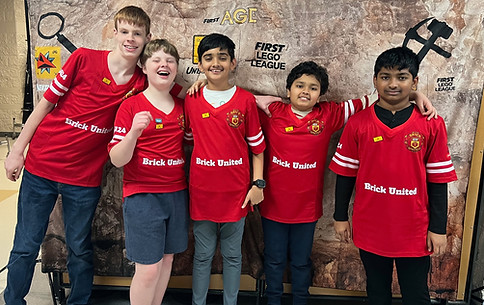
If you are interested in joining Team Brick United, email us! We would love to meet you!
Understand the Challenge
Every year, FLL presents a unique theme and set of challenges. Understanding these challenges is crucial for your team's success.
Read the Challenge Document Thoroughly
The first step is to carefully read the challenge document. This document outlines the rules, objectives, and scoring criteria. Pay attention to:
Mission Objectives: What tasks does your robot need to accomplish?
Scoring System: How will points be awarded?
Rules and Constraints: What are the limitations regarding robot size, materials, and programming?
Break Down the Challenge
Once you understand the challenge, break it down into smaller, manageable tasks. This will help your team focus on specific areas and avoid feeling overwhelmed. For example, if the challenge involves navigating a maze, consider dividing the tasks into:
Designing the robot
Programming the navigation
Testing and refining the robot's movements
Build a Strong Team
A successful FLL team is built on collaboration and communication. Here are some tips to foster a positive team environment:
Assign Roles Based on Strengths
Identify each team member's strengths and interests. Assign roles accordingly, such as:
Builder: Focuses on constructing the robot.
Programmer: Handles the coding and software aspects.
Researcher: Gathers information related to the challenge theme.
Encourage Open Communication
Create an atmosphere where team members feel comfortable sharing ideas and feedback. Regular meetings can help keep everyone on the same page and allow for brainstorming sessions.
Design and Build Your Robot
The design and construction of your robot are critical components of FLL success. Here are some strategies to consider:
Start with a Concept
Before diving into building, sketch out your robot's design. Consider the following:
Functionality: What tasks does your robot need to perform?
Mobility: How will it navigate the competition area?
Stability: Ensure your robot can withstand the challenges it will face.
Use the Right Materials
FLL allows teams to use a variety of Lego pieces and components. Choose materials that will enhance your robot's performance. For example:
Wheels and Motors: Select wheels that provide good traction and motors that offer sufficient power.
Sensors: Incorporate sensors to help your robot detect obstacles or follow lines.
Programming Your Robot
Programming is where your robot comes to life. Here are some tips to make your programming process smoother:
Choose the Right Software
FLL typically uses specific programming software, such as Lego Mindstorms or other compatible platforms. Familiarize your team with the software's features and capabilities.
Start Simple
Begin with basic commands and gradually build complexity. For example, program your robot to move forward before adding turns or sensor-based actions.
Test and Iterate
Testing is crucial. Run your robot through the competition course multiple times, making adjustments as needed. Document any issues and brainstorm solutions as a team.
Prepare for the Competition
As the competition date approaches, preparation becomes key. Here are some final tips to ensure your team is ready:
Practice, Practice, Practice
Conduct practice runs in a simulated competition environment. This will help your team become familiar with the course and identify any last-minute adjustments needed.
Prepare Your Presentation
FLL includes a presentation component where teams must explain their robot and project. Practice your presentation multiple times to ensure clarity and confidence. Focus on:
Key Features: Highlight the unique aspects of your robot.
Teamwork: Showcase how each member contributed to the project.
Stay Organized
Keep all materials, including your robot, documentation, and presentation materials, organized and easily accessible on competition day.
Embrace the Spirit of FLL
FLL is not just about winning; it’s about learning and growing as a team. Here are some final thoughts to keep in mind:
Celebrate Achievements
Regardless of the outcome, celebrate your team's achievements. Reflect on what you learned throughout the process and how you can improve for future competitions.
Foster a Love for STEM
Encourage team members to continue exploring robotics and STEM fields beyond FLL. Share resources, attend workshops, or participate in other competitions to keep the momentum going.
Build Lifelong Skills
The skills gained through FLL extend beyond robotics. Teamwork, problem-solving, and critical thinking are invaluable in any field. Embrace these skills as you move forward.
Conclusion
Success in the First Lego League requires a combination of understanding the challenge, building a strong team, designing an effective robot, and thorough preparation. By following these tips, you can enhance your chances of success while enjoying the journey of learning and collaboration. Remember, the ultimate goal is to foster a passion for robotics and innovation. So gear up, get creative, and let your imagination lead the way!


Comments